SEO and sales are commonly perceived as two separate things. However, that couldn't be further from the truth. Even though the technical definition says search engine optimization chases organic traffic while sales chases revenue, the disconnect between the two is what makes promising SEO leads go cold.
You fix that issue when CRMs with lead routing send each visitor to the right rep fast.
In this guide, we will explore how to move a search visitor all the way to a paying customer. You will see how intent, qualification, routing, and attribution can be part of one system, and how, as an outcome, organic traffic starts to pull real weight. No less importantly, you’ll see how advanced lead distribution software can become a game-changer for any business that manages large volumes of consumers.
Read on!
Why SEO and Sales Keep Missing Each Other?
The answer to this reasonable question is that both teams look at completely different scorecards, even though they would benefit from a shared view. Marketers report on rankings and traffic, while sales, at least traditionally, is focused on closed deals and pipeline. It is not hard to imagine that none of those numbers show the full customer journey. So when traffic goes up, but revenue does not follow, there is obviously a missing connection between the two.
It gets worse when good and bad leads end up in the same pile. Marketing counts clicks that never become qualified leads, but they still have to count them. Sales ignores organic leads because the handoff is genuinely slow and messy.
So warm prospects are usually gone because there is no middle between SEO and sales. You could call it a marketing and sales alignment problem. It only starts to close when both teams agree, in writing, on what a good lead actually looks like.
sbb-itb-b8bc310
Search Intent Is More Important Than Traffic To Start with
High traffic is good, but on its own it rarely pays off. The reason for that is intent. Search intent is simply what someone wants when they type a query, and it decides how much that visitor is worth to you. A person searching "what is lead routing" is researching; a person searching "buy lead routing tool" is ready to act.
So sort your keywords by where the searcher sits:
- Informational queries build trust and grow organic traffic, but they won't close anyone on their own.
- Comparison queries are where buyers build a shortlist, so those pages deserve a real budget.
- Transactional queries are low in volume but high in value, so guard them closely.
Tools such as SEObot can help automate this process by researching keywords, analyzing search intent, and optimizing content around the terms that matter most to each stage of the funnel. This makes it easier to turn keyword research into an actionable SEO workflow rather than treating it as a one-time task.
Map your keywords this way, and you will know what each page is supposed to do. Even the free SEO leads at the top of the funnel have value, as long as you don't pass them to a closer as if they were ready to buy.
Qualify Your Leads Before You Hand Them Off
Not every lead that comes in deserves a call from sales, so someone has to decide which ones do. That's the job of lead qualification, and it doesn't have to be complicated. You are asking three things:
- Does this company look like the customers who already stay and pay?
- Has the person shown real intent, such as checking pricing or booking a demo?
- Are they trying to solve the problem now or just reading for later?
However, qualified leads can be different. Some are just exploring your brand; some are engaging with your content. The other ones are ready to buy, which is where sales-qualified leads come in.
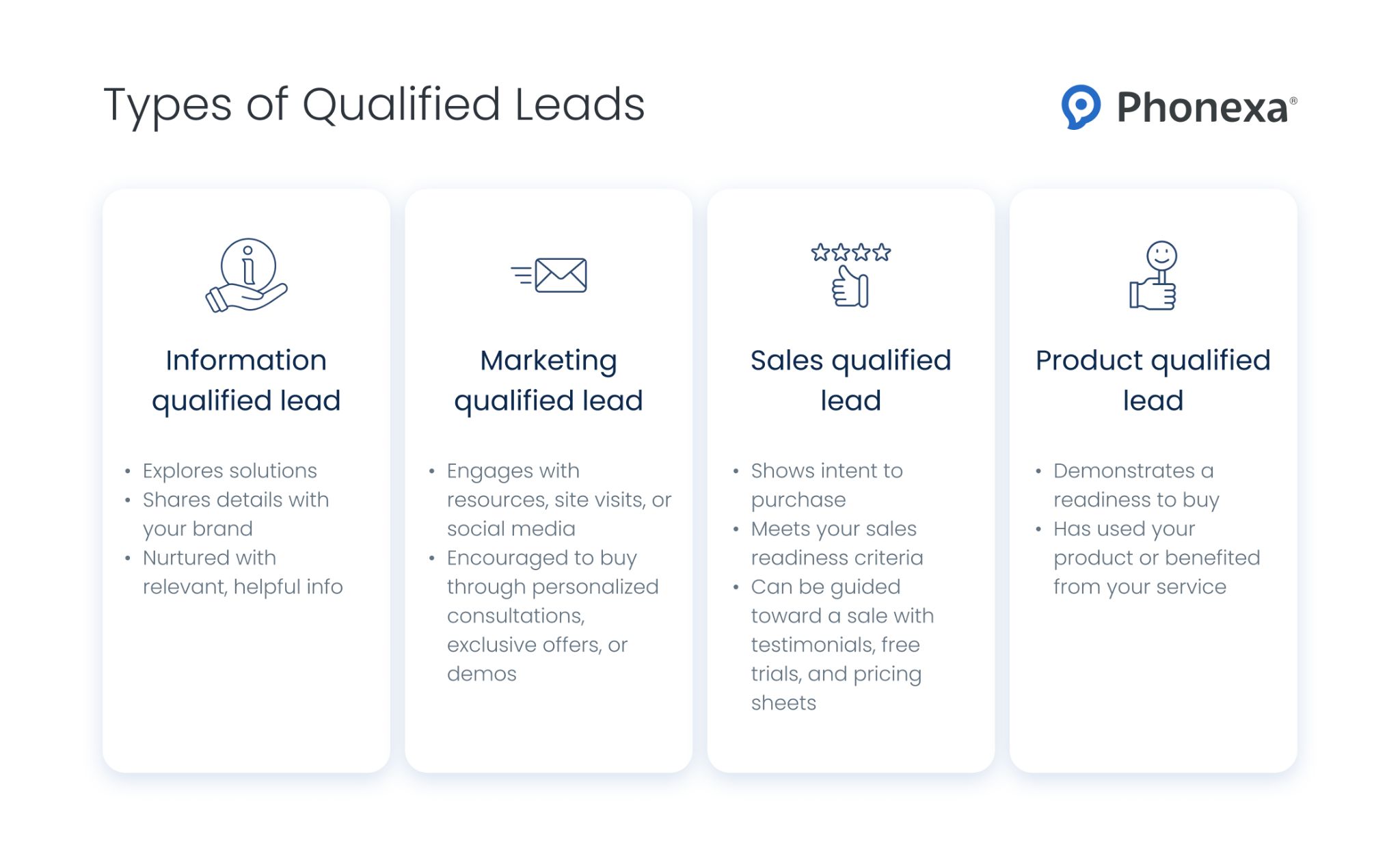
The leads that pass become your sales-qualified leads (SQLs), and only those should reach a rep. The rest keep warming up in a nurture track.
Move Leads Fast With Distribution and Routing
A lead you reach in five minutes converts far better than the same lead reached an hour later, and after a day, most of them are gone. Speed is one of the few things in this whole process that nobody will deny. The trouble is that the final step, getting a qualified lead in front of the right person, is still handled manually almost everywhere.
That's what lead distribution software is designed to solve. Often, leads stack up in a shared inbox that someone has to check manually, when instead each one could reach the right owner the moment it arrives. The lead routing process behind it is deliberately simple and repeatable:
- Capture the lead from the landing page.
- Score it against your rules.
- Route it to a rep by territory, product, or availability.
- Deliver it through the CRM within seconds.
- Log the outcome so you can refine the rules over time.
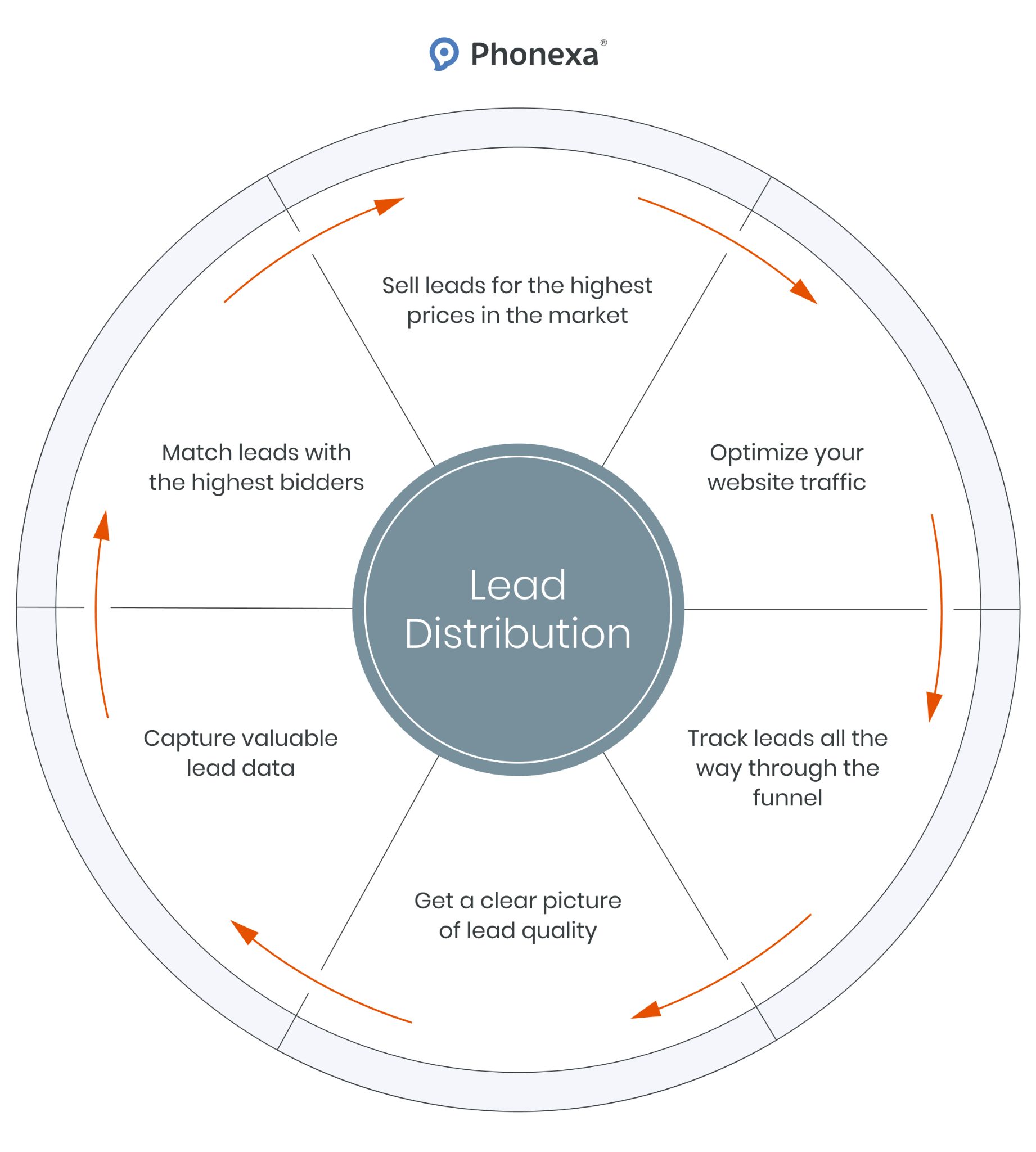
Once it runs on its own, you get automated lead routing that scales from ten leads a day to ten thousand. A good lead distribution system also supports round-robin and territory assignment, which are, again, very hard to manage manually.
Many CRMs now score and route in one step, so your strongest leads reach your strongest closers first. Dedicated lead routing software exists for the same reason: past a certain volume, manual assignment simply breaks down. Automate lead distribution and routing inside your CRM, and you will have the system that moves leads toward a sale.
Nurture the Leads Who Aren't Ready Yet
Most people won't buy on their first visit, and that's normal. The job from there is staying visible until the timing is right, without someone having to remember to follow up with thousands of contacts by hand. That's what a lead nurturing process, powered by marketing automation, is for.
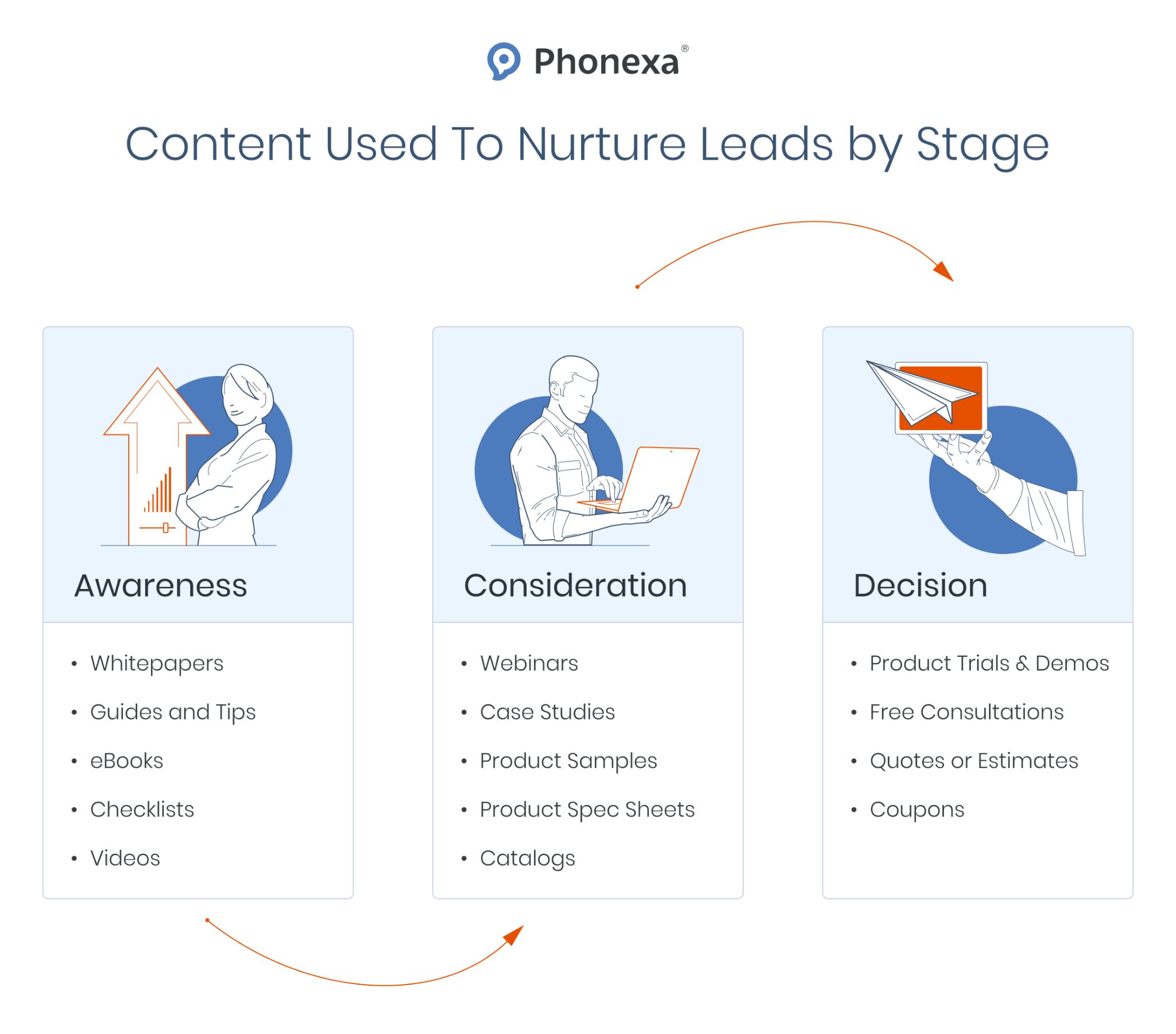
Use marketing automation to support your team. Add follow-up emails triggered by what a lead actually did, an alert to sales the moment a lead shows buying signals, and a check-in with those who went quiet. An efficient lead generation strategy consists of SEO, nurturing, and well-timed outreach, so you can convert customers who first landed months ago.
Track Attribution to Prove What Works
None of this pays off unless you can tell which part earned the revenue. Otherwise, you will keep funding pages that rank well but don't sell a thing. Lead attribution connects a closed deal back to the content, keywords, and touchpoints that started it.
Last-click reporting misleads you here: it credits whatever the buyer clicked last and ignores everything that warmed them up before. Multi-touch attribution is more precise. Add funnel analytics, and you can see where leads drop off and use performance marketing numbers that tie spend to pipeline instead of vanity metrics.
Now, your funnel becomes something you can improve. You can see which pages produce real SEO sales leads and invest more in them. You can also find issues in your SEO sales funnel while it's still cheap to fix them.
Conclusion
The path from a search visitor to a paying customer doesn't work because companies too often run SEO, qualification, routing, nurturing, and reporting as five disconnected pieces. But SEO and sales are not separate; connect them into one flow, and you’ll bridge many gaps to achieve data-driven lead distribution, higher conversion rates, and steady ROI growth.
